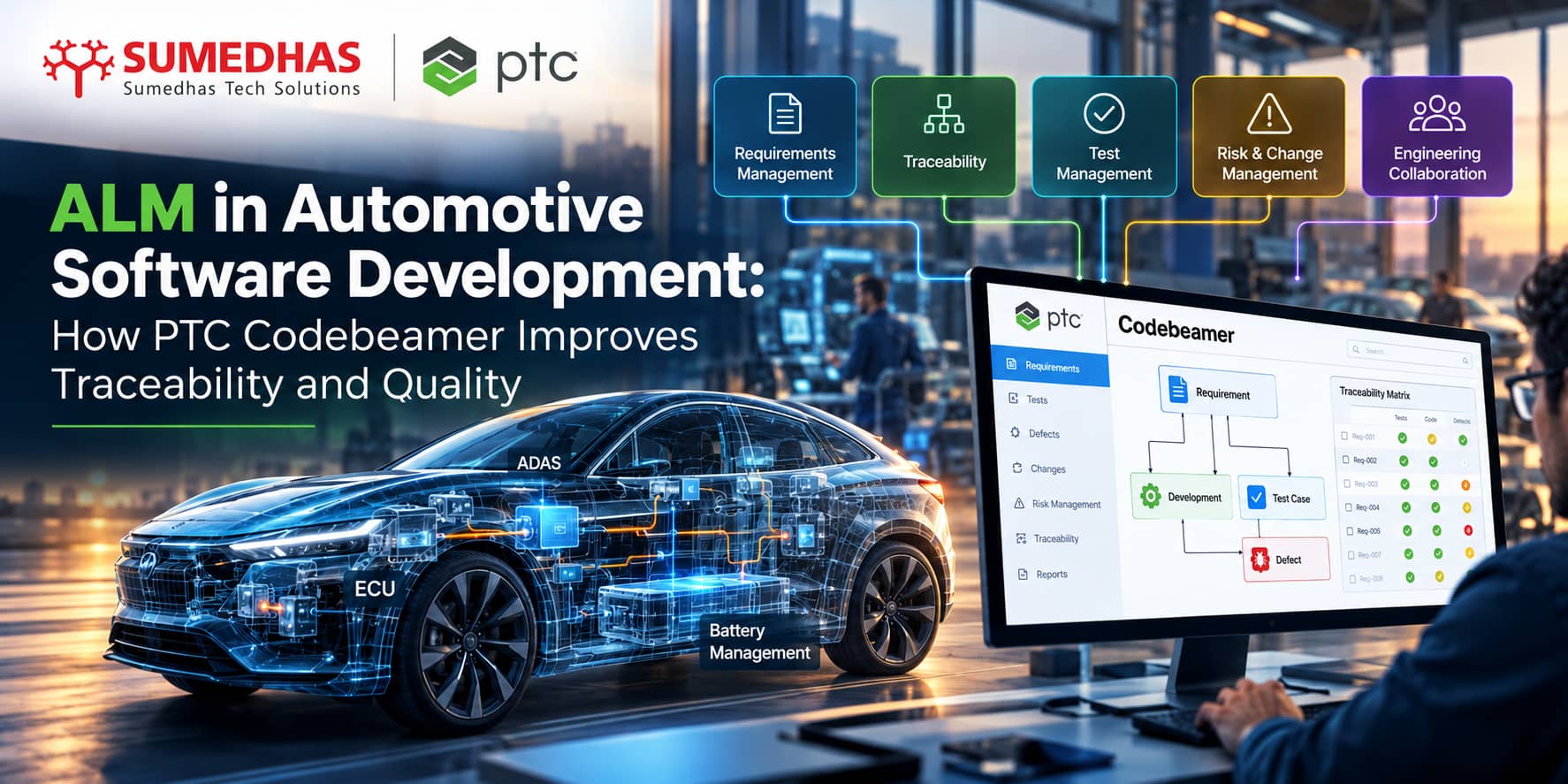
Modern vehicles depend on software for everything from electronic control units (ECUs) and battery management systems to advanced driver assistance systems (ADAS). But as automotive software becomes more complex, managing requirements, testing, engineering changes, and safety documentation becomes increasingly challenging.
A single requirement change can affect multiple software components and test cases. Without proper traceability, engineering teams may spend hours identifying dependencies, resolving inconsistencies, and preparing documentation.
This is where Application Lifecycle Management (ALM) plays a crucial role.
PTC Codebeamer helps automotive engineering teams manage software requirements, testing, risk-related workflows, and traceability within a connected lifecycle environment. For organizations looking to improve engineering processes, the right ALM approach can make development more structured, transparent, and manageable.
What Is ALM in Automotive Software Development?
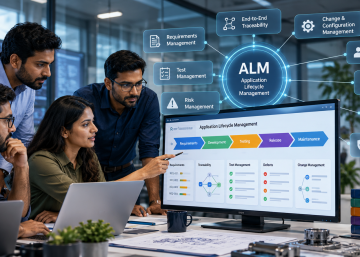
Application Lifecycle Management (ALM) involves managing software requirements, development, testing, changes, and maintenance throughout the software lifecycle.
In automotive engineering, ALM helps teams maintain connections between requirements, software development activities, test cases, and verification results.
For example, if an electric vehicle manufacturer changes a battery monitoring requirement, engineers need to identify the affected software requirements and tests. PTC Codebeamer helps establish traceability between these lifecycle elements, supporting impact analysis and verification planning.
Why Is ALM Important for Automotive Companies?
Automotive software development involves complex dependencies and strict quality expectations. Disconnected information and manual processes can create unnecessary delays and increase the risk of missed requirements.
Here is how ALM can help address common challenges:
- Requirements traceability: Connect requirements with development and verification activities.
- Change impact analysis: Identify related lifecycle records that may require review when requirements change.
- Testing and quality management: Organize test cases, execution results, and defects.
- Risk management: Support structured workflows for documenting and reviewing engineering risks.
- Improved collaboration: Help engineering teams work with consistent lifecycle information.
- Compliance support: Maintain traceability and documentation that can support applicable automotive quality and safety processes.
For organizations working with standards such as ISO 26262, ALM can support relevant engineering activities. However, compliance depends on the organization’s processes, evidence, and controls—not software alone.
Looking to improve your automotive software development process? Contact Sumedhas Tech Solutions to explore PTC ALM solutions for your engineering requirements.
How PTC Codebeamer Supports Automotive Software Development
PTC Codebeamer provides ALM capabilities designed to support complex software development and engineering workflows.
1. Requirements Management
Manage software requirements, track revisions, and maintain relationships between requirements and other lifecycle artifacts. This helps teams understand what needs to be developed and verified.
2. End-to-End Traceability
Connect requirements, tests, defects, and related engineering records. These relationships help teams investigate changes and identify potential verification gaps.
3. Test Management
Organize test cases, record execution results, and track defects to improve visibility into verification activities and release readiness.
4. Risk and Change Management
Support structured workflows for reviewing engineering risks and managing requirement changes. Teams can use connected lifecycle information to assess potential impacts and document decisions.
5. Better Engineering Collaboration
Give stakeholders a more consistent view of requirements, testing activities, and outstanding issues, helping reduce dependence on disconnected spreadsheets and manual status updates.
PTC ALM and PLM: Connecting Software With Product Engineering
Automotive products combine software, electronics, and physical components. Managing software independently from product engineering can make it difficult to understand the wider impact of a change.
PTC Codebeamer supports software lifecycle management, while PTC Windchill focuses on Product Lifecycle Management (PLM), including product data, configurations, and engineering changes.
When appropriately integrated, these solutions can help organizations connect software lifecycle information with broader product engineering processes.
For example, a change to an electronic control unit may require software verification, configuration reviews, and updates to engineering documentation. Connecting relevant lifecycle records can help teams coordinate these activities more effectively.
Explore PTC Codebeamer and Windchill solutions with Sumedhas Tech Solutions to identify the right approach for your engineering environment.
Why Choose Sumedhas Tech Solutions for PTC Solutions?
Sumedhas Tech Solutions is an authorized PTC PLM license provider offering services to help organizations explore suitable PTC solutions.
Whether your priority is automotive software traceability, requirements management, or connecting ALM and PLM processes, our team can help you discuss your requirements and explore relevant options.
With a requirements-focused approach, you can evaluate the capabilities, licensing options, and services that align with your engineering needs.
How Can Sumedhas Tech Solutions Help?
- Explore relevant PTC licensing options.
- Evaluate PTC Codebeamer and Windchill for your requirements.
- Discuss implementation and technical service needs.
- Identify opportunities to improve engineering workflows.
Improve Automotive Software Lifecycle Management With Sumedhas Tech Solutions
As automotive software grows more complex, effective requirements management, traceability, and testing become increasingly important.
PTC Codebeamer offers capabilities to help automotive engineering teams manage these activities, while PTC Windchill can support broader product lifecycle management requirements.
Ready to explore PTC solutions for your automotive engineering team?
Contact Sumedhas Tech Solutions to request a free consultation or product demo. Discuss your challenges, explore applicable PTC licensing options, and identify the next steps toward more connected software and product engineering workflows.
Frequently Asked Questions About ALM in Automotive Software Development
What Is ALM in Automotive Software Development?
ALM manages software requirements, development, testing, changes, and maintenance. In automotive engineering, it helps teams improve traceability and coordinate complex software development activities.
How Does PTC Codebeamer Help Automotive Companies?
PTC Codebeamer supports requirements management, lifecycle traceability, test management, and risk-related workflows, helping teams organize engineering information and assess changes.
What Is the Difference Between PTC Codebeamer and PTC Windchill?
PTC Codebeamer focuses on ALM, including software requirements and testing. PTC Windchill focuses on PLM, including product data and engineering changes. They address complementary needs within product development.

You must be logged in to post a comment.