
PLM Software for Automotive Component Manufacturers: A Complete Guide
Design data, engineering drawings, BOMs, revisions, specifications, approvals, and manufacturing information all contribute to the development of an automotive component. As the volume of product information grows, keeping these elements organised, connected, and accessible becomes increasingly important.
This is where PLM software for automotive component manufacturers plays an important role.
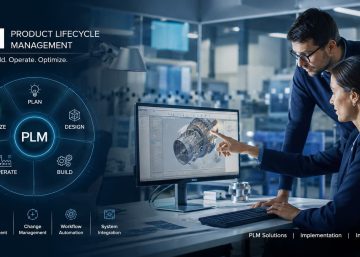
Product Lifecycle Management (PLM) software provides a structured environment for managing product information and processes throughout the product lifecycle. It helps engineering, manufacturing, quality, procurement, and other teams work with controlled product data while supporting processes such as engineering change management, BOM management, document control, configuration management, and collaboration.
For automotive component manufacturers looking to improve product data management and establish greater control over engineering processes, choosing the right PLM software and implementation partner is an important decision.
This guide covers what PLM software does, why it matters for automotive component manufacturers, the features to evaluate, the benefits it can provide, and how Sumedhas Tech Solutions can support organizations with PTC PLM licensing, implementation, consulting, integration, migration, and support services.
What Is PLM Software?
Product Lifecycle Management software is designed to manage product-related information, processes, and collaboration throughout the product lifecycle.
Unlike a system used only for storing files, PLM connects product information with the processes through which that information is created, reviewed, modified, approved, and released.
For automotive component manufacturers, PLM can manage information such as:
- Product and engineering data
- CAD data and technical drawings
- Parts and product structures
- Engineering BOMs
- Manufacturing BOMs
- Product specifications
- Technical documents
- Product revisions
- Engineering changes
- Approval workflows
- Product configurations
- Supplier-related information
- Manufacturing process information
- Quality documentation
- Product history and traceability
The purpose is to establish better control over product information while making relevant information available to authorised users.
PTC describes Windchill as an enterprise PLM platform that supports product data management, BOM management, change and configuration management, manufacturing process management, quality, supplier collaboration, and other product lifecycle processes.
Why Do Automotive Component Manufacturers Need PLM Software?
Automotive component manufacturers manage product information across multiple functions. Engineering teams work with designs and product structures, manufacturing teams work with production-related information, quality teams manage requirements and documentation, while suppliers and customers may require controlled product information.
When these processes are managed through disconnected systems, maintaining consistency becomes difficult.
PLM software for automotive manufacturing helps create a common environment for managing product information and lifecycle processes.
The major areas where PLM can provide value include:
- Centralised product data management
- Engineering change management
- BOM management
- Revision and configuration control
- Document management
- Product development
- Manufacturing process management
- Supplier collaboration
- Product traceability
- Workflow and approval management
- Integration with enterprise applications
The goal is not simply to store more information. It is to create a controlled product information structure that allows teams to understand what information exists, which version is approved, how it is related to other product information, and what processes govern it.
Common Product Data Challenges in Automotive Component Manufacturing
The need for automotive PLM software often comes from challenges associated with managing growing amounts of product information.
Disconnected Product Information
Product information may be distributed across multiple repositories, applications, spreadsheets, email attachments, and local systems. This can make it difficult for teams to locate the appropriate information and determine whether it is current.
PLM provides a structured environment for managing product data and establishing relationships between related information.
Engineering Change Management
Engineering changes need to be reviewed, approved, implemented, and tracked.
Without a structured change management process, organisations can find it difficult to maintain visibility into the status and impact of changes.
PLM provides workflows that can support change requests, reviews, approvals, implementation, and release processes.
BOM Management
Automotive component manufacturers may need to manage complex product structures, multiple revisions, variants, and relationships between engineering and manufacturing BOMs.
A PLM system can provide greater control over product structures and help maintain relationships between parts, assemblies, configurations, and manufacturing information.
Revision Control
Product information can go through multiple revisions during its lifecycle.
Maintaining revision history manually can make it difficult to determine which version is current, approved, or applicable to a particular product configuration.
PLM provides structured revision and configuration management capabilities.
Document Control
Drawings, specifications, technical documents, quality records, and other product information require controlled access and revision management.
PLM can connect documents to the products, parts, structures, and processes with which they are associated.
Cross-Functional Collaboration
Engineering, manufacturing, quality, procurement, and suppliers often need access to different parts of the same product information.
PLM can provide a controlled environment where relevant stakeholders can access product information according to their roles.
Key PLM Software Features for Automotive Component Manufacturers
When evaluating PLM solutions for automotive component manufacturers, it is important to look at capabilities rather than choosing a platform based only on its name.
Product Data Management
Product Data Management (PDM) capabilities allow organisations to control engineering and product information.
This can include:
- CAD data
- Drawings
- Documents
- Parts
- Product structures
- Specifications
- Revisions
- Metadata
Effective product data management can reduce duplication and improve the accessibility and control of product information.
BOM Management
BOM management software helps organisations manage product structures and relationships between components.
A PLM platform can support different product structures and provide greater visibility into how parts and assemblies are related.
This is particularly relevant to automotive component manufacturers managing multiple products, variants, configurations, and revisions.
Engineering Change Management
Engineering change management is one of the core requirements for organisations dealing with frequently evolving product information.
PLM can support processes such as:
- Change requests
- Change reviews
- Impact analysis
- Approval workflows
- Change implementation
- Revision release
- Change history
This provides a structured approach to controlling product changes.
Configuration Management
Automotive components can have different product configurations and variants.
Configuration management helps organisations maintain control over product structures and understand which components, documents, and revisions belong to specific configurations.
Document Management
PLM can provide controlled storage, access, versioning, revision management, and relationships between product documents and product structures.
Workflow Management
Workflows help define how product information moves through review and approval processes.
This can improve visibility into the status of engineering and product lifecycle activities.
Product Traceability
Traceability allows organisations to maintain relationships between product information, changes, revisions, documents, and approvals.
This can be particularly important for quality, compliance, customer requirements, and internal product governance.
Manufacturing Process Management
PLM can connect product development information with manufacturing process information, helping organisations establish greater continuity between engineering and manufacturing.
How PLM Software Supports Automotive Product Development
Product development involves multiple stages, from requirements and design through validation, release, and subsequent changes.
Each stage creates product information that may need to be accessed by different teams.
PLM software for automotive component manufacturers provides a structured environment for managing this information throughout the product lifecycle.
It can help organisations establish control over:
- Product requirements
- Engineering data
- Product structures
- Design revisions
- Product configurations
- Reviews and approvals
- Engineering changes
- Manufacturing information
- Product documentation
By connecting these elements, PLM can provide greater visibility into product development processes.
PTC positions Windchill as a platform for connecting product data, processes, and people across the product lifecycle.
How PLM Software Helps With Engineering Change Management
Engineering change management is a critical part of automotive product lifecycle management.
Changes need to be controlled so that the organisation can understand what has changed, why the change was made, who reviewed it, what was approved, and which product information is affected.
A structured PLM change process can include:
- Change request creation
- Change evaluation
- Impact assessment
- Review and approval
- Change implementation
- Product information revision
- Release
- Change history and traceability
This approach creates a defined process rather than relying on informal communication.
PTC identifies change and configuration management as key Windchill capabilities, supporting controlled product changes and traceability across product information and processes.
PLM Software for BOM Management
BOM management is another major consideration when selecting PLM software for automotive manufacturing.
A BOM represents the structure of a product and its components. As products evolve, BOMs can become more complex due to design revisions, variants, configurations, and manufacturing requirements.
PLM helps provide structured management of product structures and supports relationships between engineering and manufacturing information.
Important BOM capabilities to consider include:
- Engineering BOM management
- Manufacturing BOM management
- Product structure management
- Variant management
- Configuration management
- BOM comparison
- Revision control
- Change management
- BOM traceability
Windchill includes BOM management capabilities covering engineering, manufacturing, and service structures, along with support for product configurations and variants.
Looking for PLM software with strong BOM management capabilities?
Request a Windchill PLM Demo →
How PLM Improves Product Data Management
Product data is one of the most valuable assets within an engineering-driven organisation.
However, its value depends on how effectively it is controlled.
Product data management software within a PLM environment can help organisations manage information according to defined structures, access permissions, revisions, and workflows.
Instead of treating drawings, documents, parts, and product structures as unrelated files, PLM connects them within the context of the product.
This can improve:
- Data accessibility
- Revision control
- Product information consistency
- Document organisation
- Collaboration
- Traceability
- Change visibility
For automotive component manufacturers, these capabilities can help establish a more structured approach to managing engineering and product information.
Benefits of PLM Software for Automotive Component Manufacturers
The benefits of PLM software for automotive component manufacturers depend on the organisation’s requirements, implementation approach, data quality, integrations, and user adoption.
However, PLM can support improvements in several important areas.
Better Product Information Control
A centralised PLM environment can help reduce dependence on disconnected product information repositories.
Improved Engineering Change Visibility
Structured workflows can provide greater visibility into change status, approvals, and implementation.
Better BOM Management
Controlled product structures can make it easier to manage parts, assemblies, configurations, and revisions.
Reduced Information Duplication
A controlled product data environment can reduce the need to maintain multiple independent copies of product information.
Stronger Collaboration
Different departments can work with controlled product information based on their roles.
Improved Traceability
Product revisions, documents, changes, and approvals can be connected and tracked.
Greater Process Visibility
PLM can provide visibility into product development and engineering processes, supporting better process governance.
What Should You Look for When Choosing PLM Software?
Selecting a PLM solution for automotive component manufacturing requires more than comparing feature lists.
Start by identifying the processes that your organisation needs to improve.
Consider whether the PLM platform provides:
- Product data management
- CAD data management
- BOM management
- Engineering change management
- Revision control
- Configuration management
- Document management
- Workflow management
- Manufacturing process management
- Supplier collaboration
- Product traceability
- Enterprise integrations
- Security and access controls
- Reporting and process visibility
It is also important to evaluate the implementation partner.
A PLM platform needs to be configured around the organisation’s processes, data structures, users, workflows, and integration requirements.
Why Choose PTC Windchill for Automotive PLM?
PTC Windchill is an enterprise Product Lifecycle Management platform designed to manage product information and processes throughout the product lifecycle.
Its capabilities include:
- Product data management
- BOM management
- Change management
- Configuration management
- Manufacturing process management
- Supplier collaboration
- Quality management
- Product variability management
- Document management
- Traceability
- Enterprise integration
PTC positions Windchill as a platform that connects product data, processes, and people, providing organisations with a structured environment for managing product lifecycle information.
For automotive component manufacturers, these capabilities can provide a foundation for managing product data, engineering changes, BOMs, configurations, manufacturing processes, and collaboration.
Why Choose Sumedhas Tech Solutions for PLM Software?
Selecting a PLM platform is only the beginning.
The implementation, configuration, integration, migration, licensing, and ongoing support can have a significant influence on how effectively the solution is adopted within an organisation.
Sumedhas Tech Solutions provides PTC PLM licensing and PLM services for organisations looking to implement, enhance, or support their PLM environment.
PTC lists Sumedhas Tech Solutions as a Solution Provider/System Integrator for PLM in India.
Sumedhas’ PLM services include areas such as:
- PLM strategy and process consulting
- PLM implementation
- PLM upgrade and migration
- PLM application support
- PLM integration
- PTC licensing
- Design process optimisation
- New product development consulting
Sumedhas Tech Solutions states that it provides official PTC licensing along with PLM consulting, implementation, upgrade and migration, and application support services.
PTC PLM Licensing
If you are evaluating PTC PLM software, Sumedhas Tech Solutions can help you understand licensing requirements and available options based on your organisation’s needs.
Rather than approaching licensing as a standalone purchase, it can be evaluated alongside your users, processes, product structures, implementation requirements, and long-term PLM plans.
Enquire About PTC PLM Licensing →
PLM Consulting
A successful PLM initiative starts with understanding your existing processes.
Sumedhas can support organisations with PLM strategy and process consulting to identify requirements and define an appropriate implementation approach.
Windchill PLM Implementation
PLM implementation can involve data structures, workflows, roles, permissions, product structures, change processes, integrations, migration, testing, training, and deployment.
Sumedhas provides PLM implementation services to support organisations through these activities.
PLM Integration
PLM often needs to work alongside existing enterprise applications.
Sumedhas provides PLM integration services to help connect PLM with relevant business and engineering systems.
PLM Migration and Upgrades
Organisations with existing PLM environments may require upgrades, migrations, data restructuring, or enhancements.
Sumedhas lists PLM upgrade and migration among its services.
PLM Application Support
Ongoing support is an important part of maintaining a PLM environment.
Sumedhas provides application support to help organisations manage their PLM environment beyond the initial implementation.
What Makes Sumedhas Tech Solutions a PLM Partner for Automotive Manufacturers?
For organisations evaluating PLM software in India, the technology platform and the implementation partner need to be considered together.
Sumedhas Tech Solutions combines PTC PLM licensing with consulting and technical services across the PLM lifecycle.
The company can support organisations at different stages, whether they are:
- Evaluating PLM software for the first time
- Planning a new Windchill implementation
- Looking to improve product data management
- Reviewing engineering change processes
- Managing complex BOM structures
- Migrating from an existing PLM system
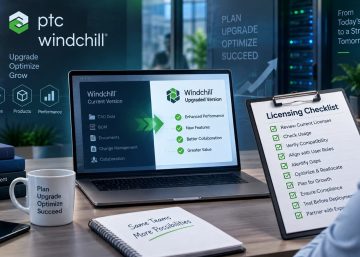
- Upgrading a current Windchill environment
- Integrating PLM with other enterprise systems
- Looking for ongoing PLM application support
PTC’s partner listing identifies Sumedhas as a Solution Provider/System Integrator for PLM in India.
This combination of PTC PLM licensing, consulting, implementation, integration, migration, and support allows businesses to approach PLM as a complete initiative rather than simply a software purchase.
Discuss Your PLM Requirements With Sumedhas →
PLM Implementation Services for Automotive Component Manufacturers
Implementing PLM successfully requires careful planning.
The implementation process should consider both the technology and the way your organisation currently manages product information.
Important implementation areas can include:
Business Process Assessment
Understanding current product development, engineering change, BOM, document, approval, and manufacturing processes.
PLM Architecture
Defining how the PLM environment will be structured according to organisational requirements.
Data Migration
Reviewing existing product information and determining what needs to be migrated into the PLM environment.
Workflow Configuration
Defining approval, change management, release, and other business workflows.
User Roles and Access
Establishing appropriate access based on organisational responsibilities.
System Integration
Determining how PLM will exchange information with other relevant systems.
Testing and Validation
Testing processes, workflows, integrations, and migrated information before deployment.
Training and Adoption
Helping users understand how PLM processes and capabilities apply to their responsibilities.
A structured implementation approach can help organisations establish a PLM environment that aligns with their product development and manufacturing requirements.
PLM Integration for Automotive Component Manufacturers
Many organisations already use several systems to manage engineering, business, and production activities.
PLM therefore needs to fit into the existing technology environment.
Integration requirements may involve:
- ERP systems
- CAD systems
- Manufacturing systems
- Quality systems
- Supplier systems
- Enterprise applications
Windchill provides integration capabilities for enterprise environments, allowing product lifecycle information to connect with other systems where required.
The specific integration architecture depends on the organisation’s existing systems, data structures, business processes, and technical requirements.
PLM Migration and Data Management
Moving from spreadsheets, shared folders, legacy applications, or an existing PLM platform requires careful consideration of product data.
Not all historical information necessarily needs to be migrated in the same way.
A PLM migration project can involve:
- Data assessment
- Data cleansing
- Data mapping
- Data transformation
- Product structure mapping
- Document migration
- Revision mapping
- Validation
- Migration testing
- Production migration
A well-planned migration can provide a stronger foundation for the new PLM environment.
Sumedhas Tech Solutions provides PLM upgrade and migration services as part of its PLM service portfolio.
How Much Does PLM Software Cost?
There is no universal PLM software price for every automotive component manufacturer.
The total investment depends on factors such as:
- Number of users
- Required capabilities
- Licensing requirements
- Implementation scope
- Configuration
- Customisation
- Data migration
- Integration requirements
- Training
- Support requirements
- Deployment model
This is why businesses should evaluate the complete PLM requirements instead of comparing license prices alone.
A consultation can help establish the scope and identify the factors that will influence the overall investment.
Is PLM Software Suitable for Small and Mid-Sized Automotive Component Manufacturers?
PLM is not limited to large enterprises.
Small and mid-sized automotive component manufacturers can also evaluate PLM when product data, engineering changes, BOMs, revisions, customer requirements, and collaboration become difficult to manage through disconnected processes.
The appropriate PLM scope depends on:
- Organisation size
- Product complexity
- Number of users
- Number of products
- Existing systems
- Engineering processes
- Manufacturing processes
- Customer requirements
- Growth plans
The key is to define the business requirements first and then determine the appropriate PLM approach.
How to Get Started With PLM Software
If your organisation is considering PLM software for automotive component manufacturing, start by documenting your current product lifecycle processes.
Review how your organisation currently manages:
- Product data
- CAD files
- BOMs
- Engineering changes
- Product revisions
- Approvals
- Product configurations
- Manufacturing information
- Supplier information
- Product documentation
- Traceability
Then identify the areas where greater control, visibility, or collaboration is required.
From there, a PLM consultation can help determine which capabilities, licensing options, implementation services, integrations, and support requirements are relevant to your organisation.
Get a Free PLM Consultation From Sumedhas Tech Solutions
Choosing PLM software is a significant technology decision, particularly for automotive component manufacturers managing complex product information and engineering processes.
With Sumedhas Tech Solutions, you can discuss your requirements with a PTC PLM partner and explore licensing, consulting, implementation, integration, migration, upgrade, and application support services.
Whether you are starting your first PLM project or looking to improve an existing PLM environment, the right assessment can help you define a practical approach based on your product lifecycle requirements.
Ready to Explore PLM for Your Automotive Component Manufacturing Business?
Talk to Sumedhas Tech Solutions about your PLM requirements and discover how PTC Windchill can support product data management, BOM management, engineering change management, product development, and lifecycle processes.
Book a Free PLM Consultation →
You must be logged in to post a comment.