
Choosing the Right PLM Implementation Partner: Complete Product Lifecycle Management Checklist
Selecting a PLM system is a major decision.
Selecting the right PLM implementation partner is even more critical.
Many organizations invest in powerful PLM software but struggle to see results. Delays, low user adoption, integration gaps, and unclear workflows often trace back to one root cause — choosing the wrong implementation partner.
If you are evaluating a PLM consulting company or comparing service providers, this complete checklist will help you make a confident, informed decision.
Why Your PLM Implementation Partner Matters More Than the Software
PLM software can streamline engineering change management, improve BOM accuracy, and strengthen traceability. However, software alone does not deliver results.
A skilled implementation partner ensures:
- Correct system configuration
- Alignment with business processes
- Structured data migration
- Seamless CAD–PLM–ERP integration
- Effective user adoption
Studies show that digital transformation initiatives with experienced implementation partners are significantly more likely to meet timeline and ROI expectations compared to those handled without structured guidance.
In short, your partner determines whether PLM becomes a strategic asset — or just another tool.
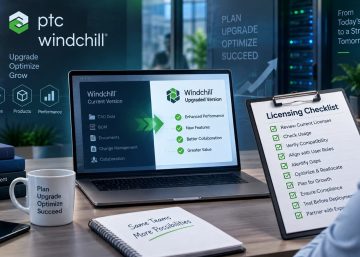
PLM Implementation Partner Checklist
Use the following evaluation criteria before finalizing your PLM partner.
- Are They an Authorized PLM Software Partner?
Always verify whether the company is an authorized partner of the PLM software vendor.
An authorized partner ensures:
- Legitimate software licensing
- Certified implementation methodologies
- Direct access to vendor support
- Compliance with industry standards
Working with unauthorized providers may result in limited support, compliance risks, or unstable deployments.
Checklist Question:
Can they provide official authorization proof and licensing clarity?
- Do They Understand Manufacturing Workflows?
PLM is not just IT infrastructure — it governs engineering, manufacturing, procurement, and quality processes.
Your partner should understand:
- EBOM to MBOM transformation
- Engineering Change Management (ECN/ECR workflows)
- Configuration management
- Variant and options handling
- Regulatory compliance documentation
Ask for real-world manufacturing case examples, not just technical capability presentations.
Checklist Question:
Have they implemented PLM in companies similar to yours?
- Do They Offer End-to-End Services?
A strong PLM implementation partner should provide more than system setup.
Look for:
- Digital maturity assessment
- Implementation roadmap planning
- Data migration support
- CAD–PLM integration
- PLM–ERP integration
- Upgrade and migration services
- Post-implementation support
Partial service providers may leave critical integration gaps.
Checklist Question:
Do they support you beyond go-live?
- Do They Have a Structured Implementation Methodology?
Successful PLM deployments follow a phased approach:
- Requirement analysis
- Process mapping
- System configuration
- Data migration
- User training
- Go-live support
- Stabilization and optimization
Without a structured methodology, projects risk scope creep and delays.
Checklist Question:
Can they clearly outline their implementation stages and deliverables?
- How Strong Is Their Integration Expertise?
PLM rarely operates alone. It must integrate with:
- CAD systems
- ERP platforms
- MES systems
- Quality management tools
Integration complexity often determines project success.
A capable partner should:
- Define integration architecture
- Ensure secure data synchronization
- Minimize manual data duplication
- Maintain version integrity
Checklist Question:
Do they have proven PLM–ERP integration experience?
- Do They Prioritize Data Governance?
Poor data structure can undermine even the best PLM systems.
Your partner should define:
- Naming conventions
- Revision control policies
- Access rights and role management
- Workflow governance
Strong governance prevents long-term chaos.
Checklist Question:
How do they ensure clean and structured data management?
- What Is Their Approach to User Adoption?
One of the most common PLM challenges is low adoption.
Even the most advanced system fails if users revert to spreadsheets.
Your implementation partner should offer:
- Role-based training
- Documentation and SOPs
- Change management planning
- Ongoing enablement support
Checklist Question:
How will they ensure engineering and manufacturing teams actively use the system?
- Can They Support Future Scalability?
Your PLM environment must grow with your business.
Ask whether they can support:
- System upgrades
- Multi-site deployment
- Performance optimization
- Custom workflow enhancements
A long-term partner supports expansion, not just initial deployment.
Checklist Question:
Do they offer upgrade and long-term optimization services?
- Do They Provide Transparent Communication and Governance?
Large PLM projects require consistent communication.
Look for:
- Defined project managers
- Weekly review meetings
- Risk mitigation plans
- Clear documentation
Lack of governance leads to confusion and delays.
Checklist Question:
What reporting structure do they follow during implementation?
- Do They Demonstrate Strategic Thinking — Not Just Technical Skills?
A true PLM partner thinks beyond configuration.
They ask:
- What are your business objectives?
- Where are your bottlenecks?
- How can PLM improve measurable outcomes?
- What KPIs define success?
Strategic alignment ensures measurable ROI.
Checklist Question:
Are they focused on business outcomes or just system setup?
Red Flags to Watch Out For
Be cautious if a provider:
- Promises unrealistic timelines
- Avoids discussing data governance
- Cannot show real implementation case studies
- Focuses only on pricing, not process alignment
- Lacks integration expertise
PLM implementation is a strategic investment — shortcuts often lead to long-term complications.
Why Companies Choose Sumedhas Tech Solutions
Sumedhas Tech Solutions is a Bangalore-based engineering technology company and leading PLM solution provider in India.
The company offers:
- Expert PLM consulting and implementation services
- Authorized PTC Creo and Windchill solutions
- CAD–PLM–ERP integration expertise
- Engineering workflow automation
- Long-term PLM optimization support
Their expertise helps manufacturing companies streamline product development, improve engineering collaboration, and strengthen lifecycle control.
👉 Request a consultation with our PLM experts Call:+91 70224 24601 / +91 90086 69121
Making the Right PLM Partner Decision
Choosing the right PLM implementation partner is not about selecting the lowest quote. It is about selecting a partner who:
- Understands manufacturing processes
- Has certified technical expertise
- Offers integration and governance support
- Prioritizes user adoption
- Thinks long term
When aligned correctly, PLM transforms engineering control, improves BOM accuracy, and enhances cross-functional collaboration.
When misaligned, it becomes an underutilized system.
Use this checklist to evaluate your options carefully.
The right partner doesn’t just implement software.
They build a structured foundation for your product lifecycle management strategy.


You must be logged in to post a comment.