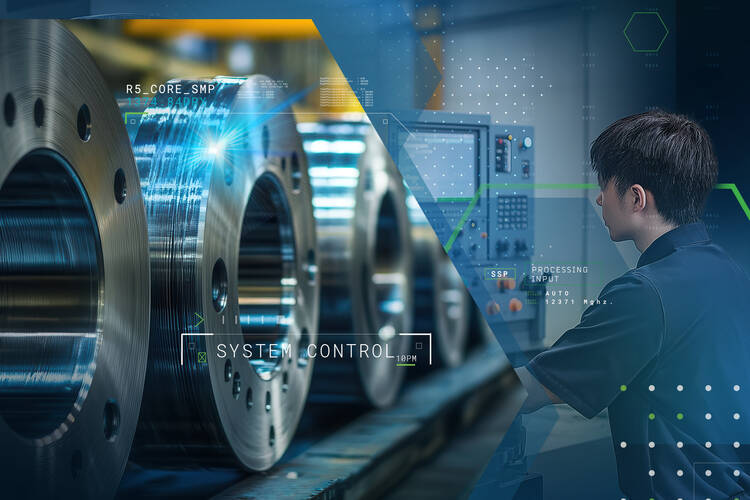
Transforming Industrial Manufacturing in the Age of Smart Technologies
Industrial manufacturing stands at the crossroads of tradition and transformation. Once reliant on mechanical systems and manual labor, today’s factories are driven by real-time data, intelligent automation, and cross-functional collaboration. This new digital era isn’t just about technology—it’s about optimizing performance, enhancing value delivery, and reshaping how products are built and supported throughout their lifecycle.
What Is Industrial Manufacturing?
Industrial manufacturing is the large-scale production of machinery, components, and tools intended for industrial use across various sectors like automotive, aerospace, construction, and energy. This process involves converting raw materials into high-performance, reliable finished products using advanced technologies and skilled labor.
Key characteristics of industrial manufacturing include:
- Focus on complex products and systems
- Integration of mechanical, electrical, and software components
- High-volume, consistent production processes
- Emphasis on durability, safety, and regulatory compliance
Industrial manufacturing has become the backbone of global infrastructure, enabling innovation, productivity, and economic development on a massive scale.
The History of Industrial Manufacturing
Industrial manufacturing has evolved dramatically over centuries, with each stage of development reshaping the way goods are produced and delivered.
Pre-Industrial Craftsmanship
Manual production dominated before mechanization. Artisans crafted tools, textiles, and equipment by hand, often with limited scalability.
The First Industrial Revolution
Beginning in the 18th century, innovations like the steam engine and mechanical loom transformed production. Machines replaced manual labor, and factories emerged as production hubs.
Mass Production & Electrification (20th Century)
Assembly lines and electric-powered systems allowed manufacturers to scale up production with unprecedented speed and efficiency.
Automation & Computerization
In the late 20th century, automation, robotics, and computer-aided technologies streamlined processes, reduced errors, and enhanced quality control.
Industry 4.0
The current phase integrates digital technologies like:
- Smart factories with real-time connectivity
- IoT-based monitoring for asset performance
- AI and machine learning to enhance decision-making
- Digital twins to simulate and optimize systems
Each stage has laid the foundation for today’s highly advanced, digitally connected manufacturing ecosystems.
Current Trends Transforming the Industrial Manufacturing Industry
Modern industrial manufacturing is shaped by digital technologies, sustainability imperatives, and changing market demands. Leading trends include:
Enhanced Efficiency Through Integration
- Combining engineering and production for a unified digital thread
- Automating workflows to minimize delays and reduce rework
- Using real-time data to identify and fix process inefficiencies
Adoption of Core Digital Technologies
- PLM (Product Lifecycle Management): Centralizes design and engineering data, enabling early collaboration and version control
- ALM (Application Lifecycle Management): Manages the evolution of software integrated into products
- CAD (Computer-Aided Design): Enhances design accuracy through modeling, simulation, and analysis
Smart Factory Innovations
- AR/VR: Provides operators with real-time guidance and training
- IIoT (Industrial Internet of Things): Enables predictive maintenance and performance analytics
- Robotics: Improves throughput and precision on the shop floor
Globalization and Outsourcing
- Shifting supply chains to emerging markets to reduce costs
- Balancing local production with global partnerships
- Managing supply chain risks and disruptions more strategically
These trends allow manufacturers to be more agile, competitive, and responsive to customer expectations.
Why Digital Transformation Matters
Digital transformation is not a luxury—it’s a business necessity. It provides the strategic infrastructure for resilience, growth, and innovation.
1. Operational Excellence
- Integrated systems reduce silos and streamline operations
- PLM, ERP, and MES work together to support a seamless product journey
- Engineering-led changes ripple across the organization for faster implementation
2. Data-Informed Decisions
- IIoT sensors deliver real-time feedback from machines
- AI and analytics empower predictive and prescriptive insights
- Better data access means quicker, more strategic decision-making
3. Business Resilience
- Agile systems adapt to demand fluctuations and supply chain disruptions
- Cloud-enabled platforms support remote operations and global collaboration
4. Environmental Sustainability
- Energy-monitoring tools track and reduce power consumption
- Waste analytics drive material efficiency and regulatory compliance
Through digital transformation, manufacturers gain the capability to pivot, scale, and innovate while remaining operationally strong.
Benefits of Effective Enterprise Software
Enterprise software acts as the digital backbone of industrial operations. From design to delivery, these systems unify departments and enhance collaboration.
Faster Product Launches
- Automating BOM updates, engineering changes, and document control reduces delays
- Agile development frameworks enable rapid iterations and early feedback
Greater Productivity
- Reduces manual tasks and redundant work
- Enhances communication across teams and suppliers
- Supports concurrent engineering and production planning
Cost Efficiency
- Fewer errors mean less rework and lower material waste
- Streamlined processes lead to reduced operational overhead
Improved Collaboration
- Cloud-based systems allow access to shared data in real time
- Stakeholders—internal and external—can work on a single source of truth
When effectively implemented, enterprise platforms empower companies to innovate faster, maintain product quality, and align strategy with execution.
The Future of Industrial Manufacturing
The future of manufacturing is dynamic, connected, and intelligent. Innovations on the horizon include:
Digitally Connected Operations
- End-to-end visibility through integrated platforms
- Real-time adjustments in engineering, production, and servicing
- Unified systems to lower costs and improve performance
Intelligent Automation
- AI forecasts demand and schedules production automatically
- Machine learning identifies potential failures before they occur
- Predictive analytics streamline quality assurance and supply chain coordination
Proactive Product Development
- A shift-left strategy ensures earlier testing, validation, and feedback
- Design changes are made proactively, avoiding last-minute complications
Service as a Growth Engine
- Connected products enable continuous feedback from the field
- Service lifecycle management becomes a profit center, not just support
- Enhanced uptime and customer loyalty drive long-term value
Manufacturers that invest in digital capabilities, human capital, and sustainability will lead the next wave of industrial innovation.
FAQ - Frequently Asked Questions
Industrial manufacturing refers to the mass production of industrial equipment and components. Today, it is transforming through smart technologies, real-time data integration, and automation.
Key technologies include AI, IoT, digital twins, PLM software, robotics, and connected factory platforms—central to Industry 4.0 adoption.
It boosts operational efficiency, improves collaboration, ensures data-driven decisions, and increases resilience against supply chain disruptions.
They streamline product development, enhance collaboration, reduce costs, and accelerate time-to-market through integrated digital workflows.
Trends include smart factory innovations, predictive analytics, globalized supply chains, and sustainable, connected production systems.


You must be logged in to post a comment.